Why Your Skin Changes in Perimenopause
Has your skin suddenly become drier, more sensitive, itchy or breakout-prone in your 40s? Perimenopause can change much more than your periods. Fluctuating oestrogen and progesterone can affect collagen, hydration, your skin barrier, inflammation and histamine responses. Here’s why your skin can suddenly feel like it has changed almost overnight.
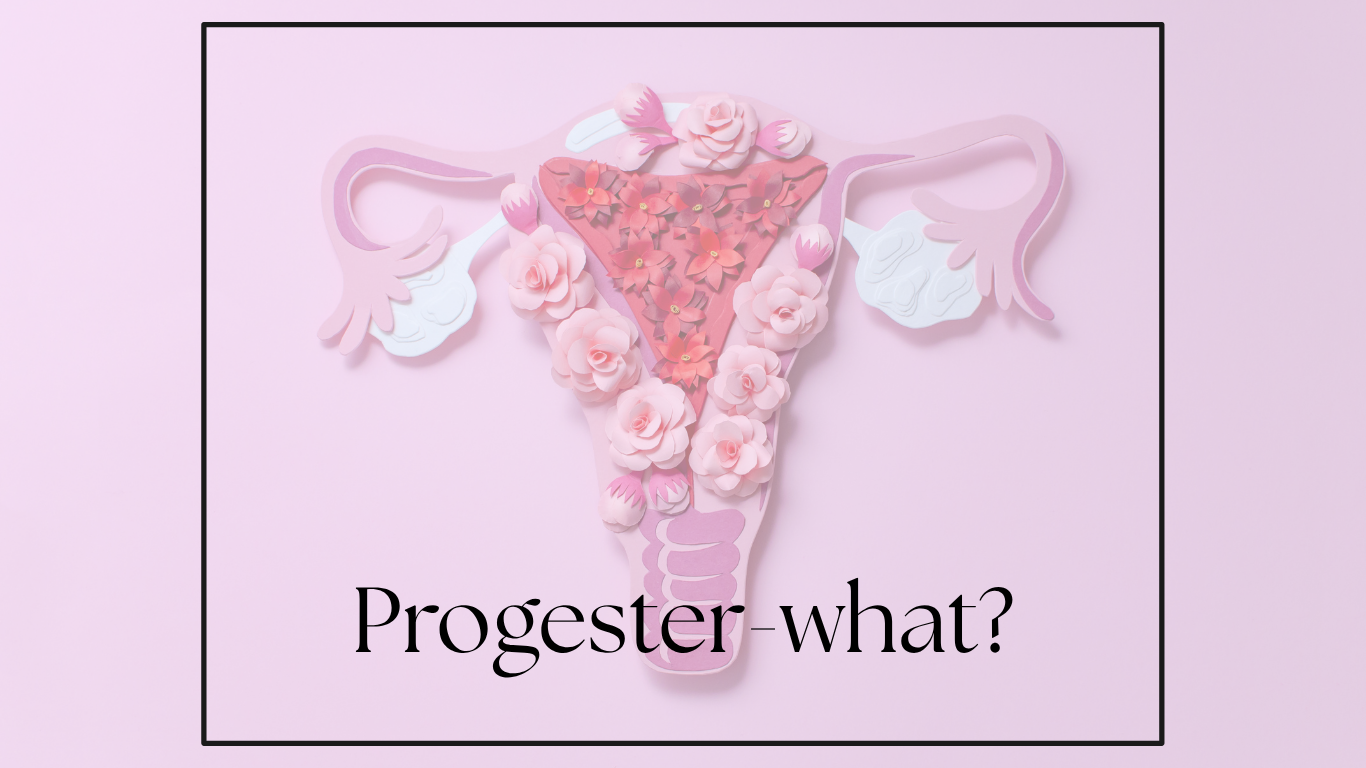
Progesterone: More Than Just a Reproductive Hormone
Progesterone is often one of the first hormones to become less consistent during perimenopause, affecting far more than your menstrual cycle. From sleep and mood to nervous system and immune support, discover why progesterone matters and how we can support the progesterone your body is still making.
There’s Over 100 Symptoms of Perimenopause: Don't Let Your Symptoms Be Dismissed
Most people think perimenopause is just hot flushes and irregular periods—but there are actually over 100 different symptoms that can occur during this hormonal transition. Every woman's experience is unique, and if you've been told your symptoms are "just stress" or "just ageing," it's time to take a closer look. Read the blog to discover why your symptoms deserve to be taken seriously.
Could Your Thyroid Be Struggling Before Blood Tests Pick It Up?
Feeling exhausted, foggy or struggling with unexplained weight gain despite being told your thyroid is "normal"? Blood tests are important, but they don't always tell the whole story. Learn why your symptoms deserve to be part of the conversation.
The Biggest Triggers That Can Flare Hashimoto's (And What You Can Do About Them)
Learn what triggers your hashimoto’s and what to do
Is It My Thyroid... or Am I Just Getting Older?
Is it really just your age... or could your thyroid be involved?
Fatigue, brain fog, weight gain and feeling unlike yourself are often blamed on getting older, but many of these symptoms can also be signs of an underperforming thyroid. In this blog, I explain why thyroid dysfunction is so often overlooked, how it overlaps with perimenopause, and why looking beyond a "normal" blood test may help uncover what's really going on.
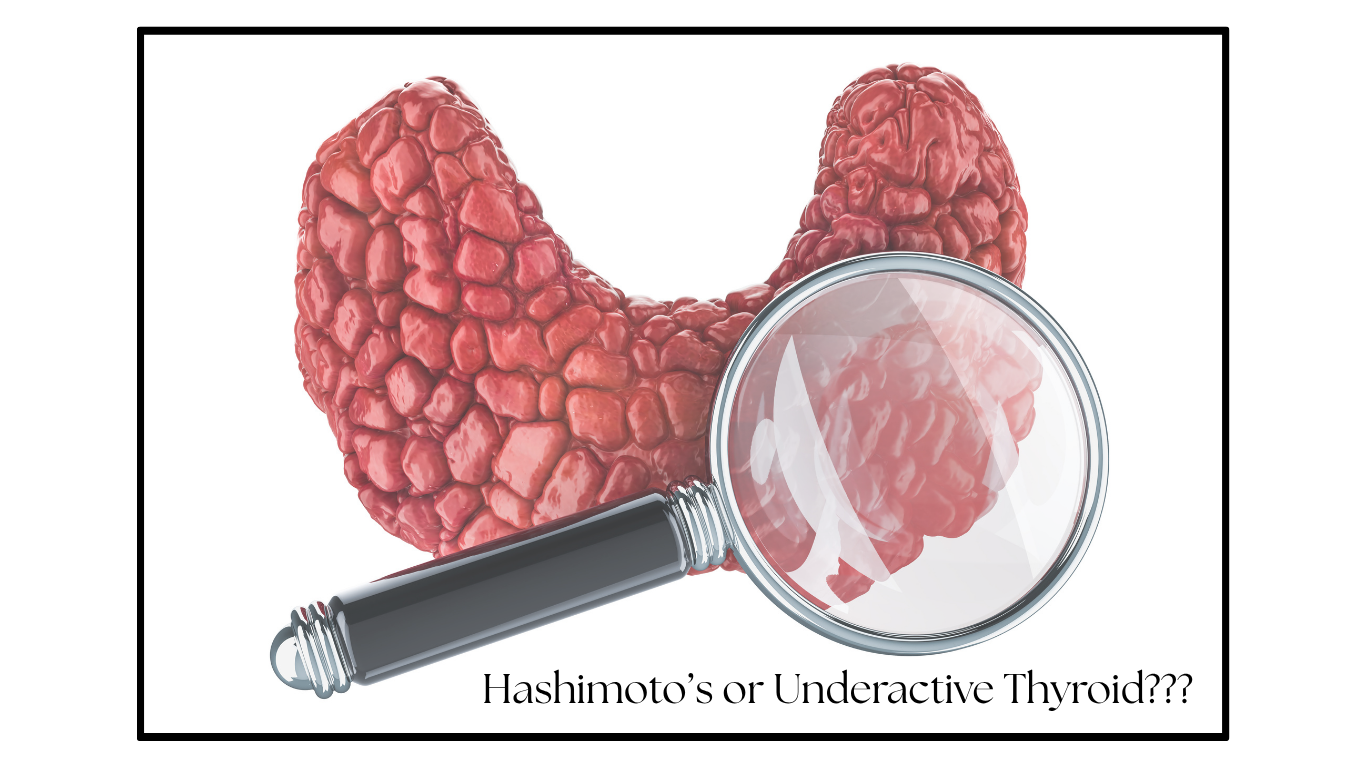
Hashimoto's Is Not Simply an Underactive Thyroid
Many women think Hashimoto's is simply an underactive thyroid—but it's much more complex than that. While thyroid medication replaces missing hormones, it doesn't address the underlying immune dysfunction that may be driving the condition. In this blog, I explain the difference between Hashimoto's and hypothyroidism, why medication isn't always enough, and the key areas to consider if you're still struggling with fatigue, brain fog and stubborn symptoms.
True or False? Anxiety Can Be One of the First Signs of Perimenopause
Feeling anxious for no obvious reason? It might not be "just stress." For many women, anxiety is one of the earliest signs of perimenopause—often appearing before hot flushes or irregular periods. Learn why hormone changes can affect your mood and what you can do to support your body naturally.
Why Your Mood Might Not Be a Hormone Problem: What HTMA Can Reveal That Blood Tests Often Miss
Feeling anxious, flat, irritable, or overwhelmed despite being told you’re fine? Mood changes aren't always driven by hormones alone. In this blog, discover how Hair Tissue Mineral Analysis (HTMA) can uncover hidden mineral imbalances affecting your nervous system, thyroid function, stress resilience, and mood—helping explain why two women with the same symptoms can have completely different underlying causes.
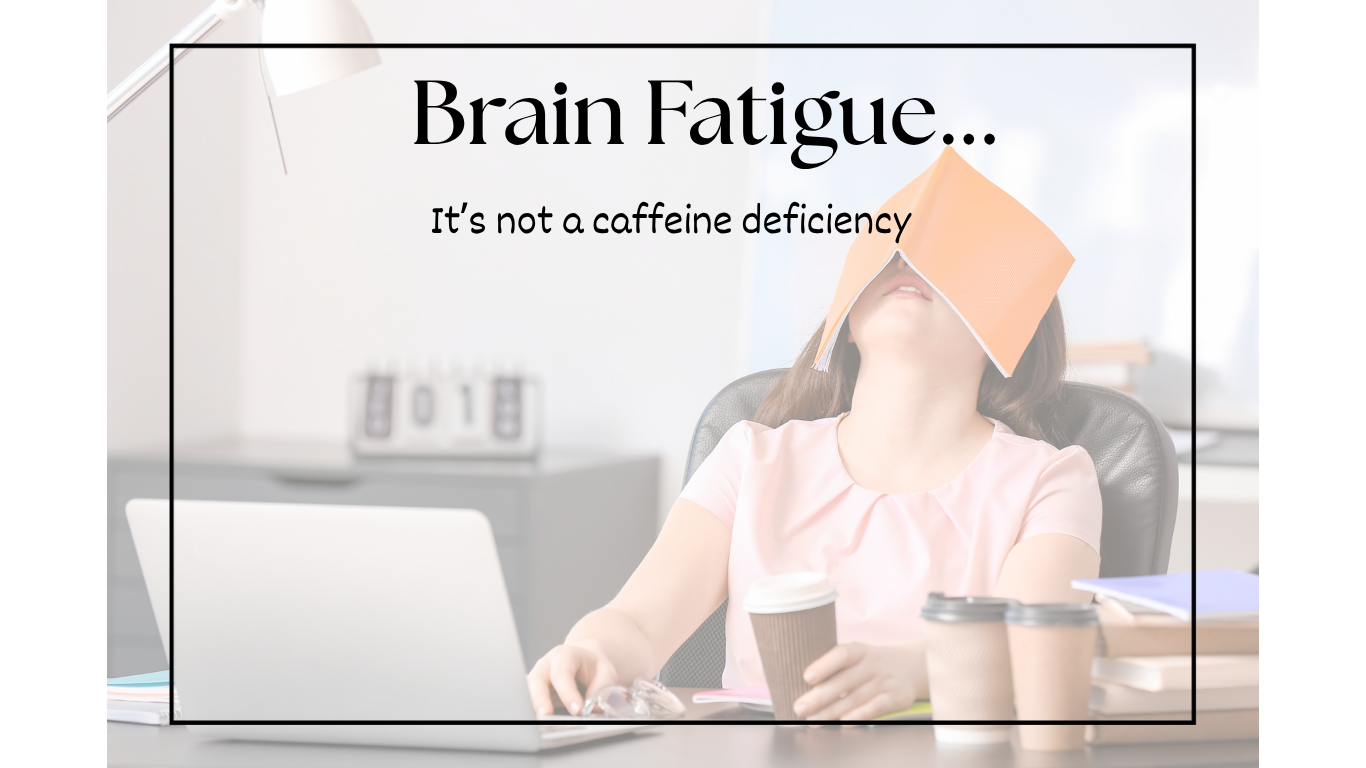
Why Your Brain Feels Flat, Foggy and Exhausted: It's Not a Caffeine Deficiency
If you've gone from enjoying a morning coffee to needing coffee just to feel human, I’ll give you a hint… it’s not a caffeine problem. Changes in oestrogen, thyroid function, brain energy production and neurotransmitters can all contribute to fatigue, brain fog and that overwhelming feeling of running on empty. Here's what's really happening behind the scenes.
Why am I so tired, cranky and craving chocolate??
Have you noticed you're suddenly craving sugar, crashing in the afternoon, or feeling irritable when you haven't eaten for a few hours? You're not imagining it. Perimenopause can change the way your body responds to blood sugar, making you more sensitive to skipped meals and energy dips. In this blog, I'll explain why it happens and share some simple ways to keep your energy, mood and cravings under control.
Why Undereating Can Be Stalling Your Weight Loss in Perimenopause
Many women enter menopause expecting hot flushes and changing cycles, but what often surprises them is the brain fog, memory lapses, low motivation and fatigue that seem to appear out of nowhere. In this blog, we explore the powerful connection between oestrogen, thyroid hormones and brain function, and why you can still feel hypothyroid despite having "normal" thyroid blood tests. Learn how menopause affects brain energy production, T3 activity and metabolic resilience — and what you can do to better support your brain during this transition.
Why Menopause Can Make You Feel Low — Even When Your Blood Tests Look “Normal”
Menopause is not just a hormonal transition — it’s also a major shift in how the brain produces and uses energy. This blog explores how declining oestrogen can affect thyroid hormone function inside the brain, particularly T3 activity, even when thyroid blood tests appear “normal.” Learn why many women experience brain fog, fatigue, low mood and slower thinking during perimenopause and menopause, and how stress, metabolism, nutrients and thyroid signalling are all deeply connected.
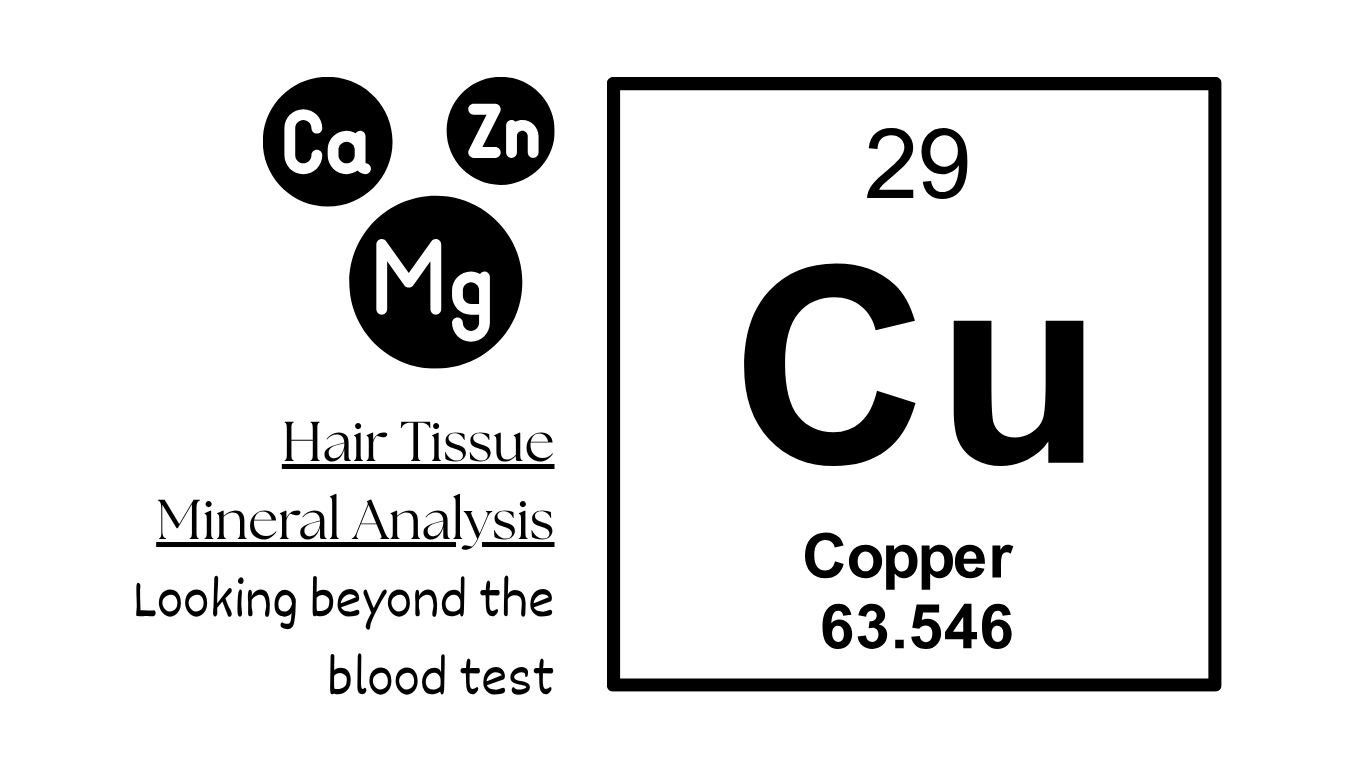
Beyond the Blood Test: How HTMA Reveals What's Really Happening in Your Body
Are you looking in the wrong place….? While conventional testing focuses on what's happening in your bloodstream right now, Hair Tissue Mineral Analysis (HTMA) reveals what's been happening at the cellular level for months.


3 Foods to Get Your Hormones Back on Track
If your energy, mood, weight or sleep just don’t feel the same anymore, your hormones could be asking for more support — not more restriction. The good news is, you don’t need to overhaul everything overnight. Sometimes, small, consistent changes in what you eat can make a meaningful difference.
In this blog, I’ll walk you through three simple, everyday foods that can help support hormone balance naturally — by stabilising blood sugar, reducing inflammation, and giving your body the nutrients it actually needs to function well.
How thyroid and perimenopause collide in your 40s (and why your whole body feels it)
If your body suddenly feels unfamiliar—more bloating, fatigue, brain fog, mood swings, or hair changes—it may be more than “just ageing.” Perimenopause can place extra stress on thyroid and immune function, creating symptoms that feel confusing and unpredictable. Understanding what’s happening is the first step toward getting real answers and feeling like yourself again.
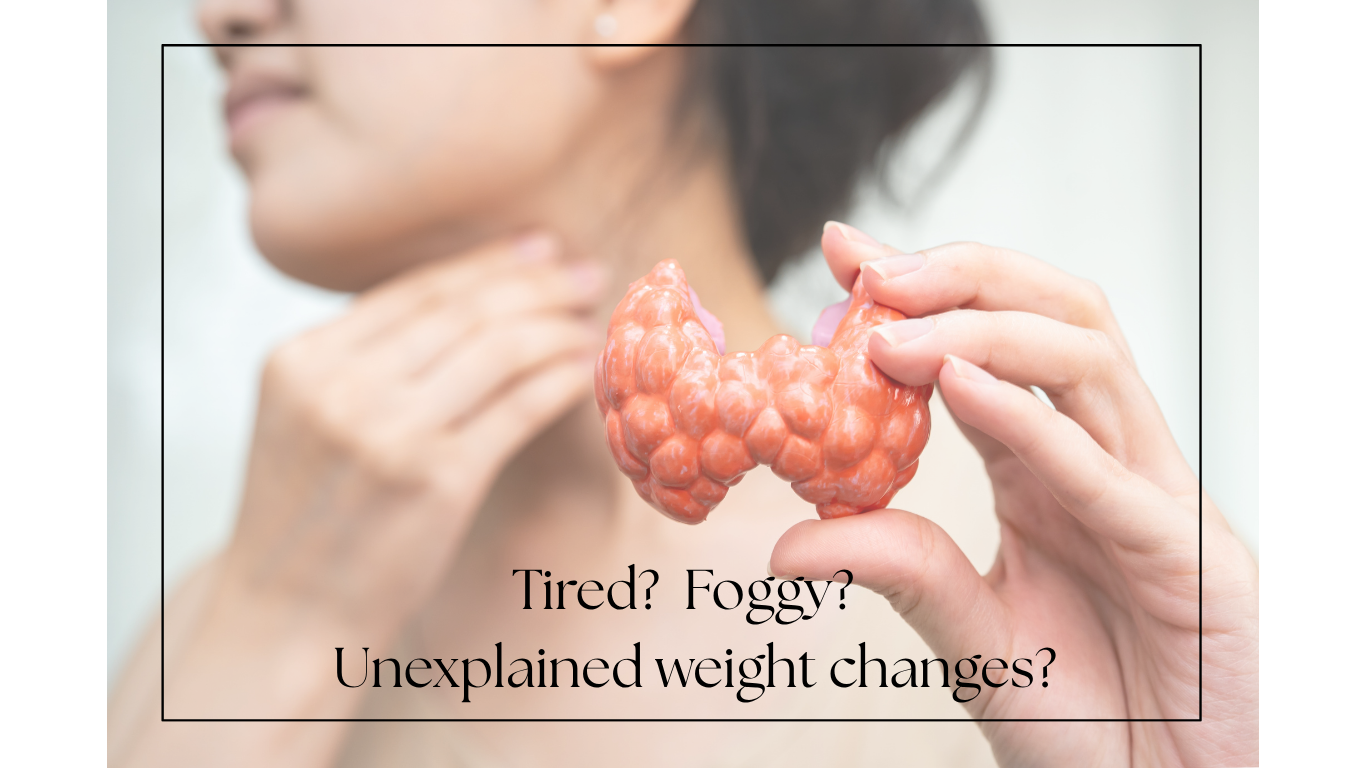
5 Signs Your Thyroid May Need Attention
Feeling tired, foggy, or noticing unexplained weight changes? Your thyroid could be playing a bigger role than you realise. Discover five common signs of thyroid imbalance, why testing falls short, and simple lifestyle strategies that can support your energy, mood, and overall wellbeing.